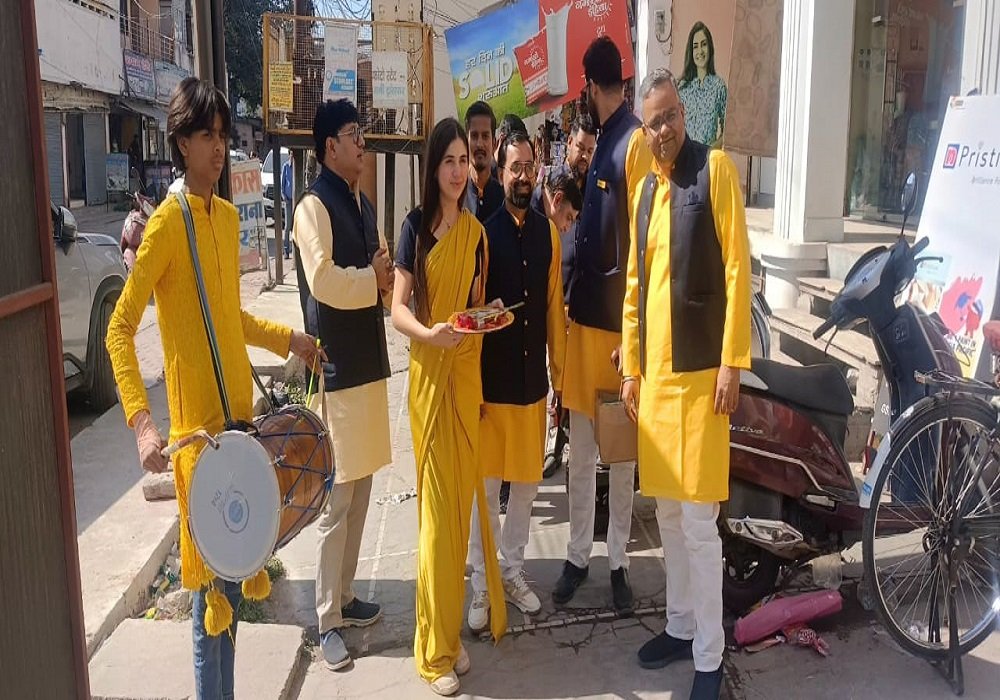
We design trade promotions that help brands earn attention inside the channel, not just in advertising. From dealer meets and distributor communication to retail visibility and market roll-outs, our work is planned to support actual movement in the field.
Meet formats, recognition events and communication flows designed for channel trust, not filler entertainment.
In-store execution built around visibility, placement discipline and better presentation at the point of choice.
Campaign mechanics that align sales intent, market timing and regional practicality before roll-out begins.
One planning framework with room for local adaptation across cities, dealer clusters and retail formats.
A good trade campaign does more than create noise. It gives dealers a reason to engage, helps distributors prioritise movement, improves store-level presentation and gives sales teams a more usable field story.
Many brands spend heavily on consumer-facing activity yet leave the channel under-supported. That gap shows up quickly: weak display compliance, low urgency in the network, inconsistent retail execution and campaign fatigue. The answer is not louder communication. It is better planning across the people and places that actually carry the product forward.
Our role is to bring structure to that process. We help shape campaign logic, execution design, rollout readiness, field materials and on-ground coordination so the activity feels commercially relevant rather than decorative.
Instead of listing disconnected event tasks, this page now presents services the way decision-makers actually evaluate them: by business function, operational complexity and field usefulness.
Structured gatherings for relationship strengthening, product communication, leadership presence and partner acknowledgement. These are planned to reinforce confidence in the brand, not simply fill an agenda.
Promotion frameworks for regional distributor networks that need clearer launch communication, participation mechanics, target alignment and operational follow-through across multiple locations.
Promoter-led activities, store-side engagement, demonstration formats and market-presence programmes designed to improve visibility and make campaign intent visible where purchase decisions happen.
Standees, display concepts, branding surfaces, counters, promotional fixtures and practical visibility elements that suit real retail conditions rather than idealised mock-ups.
Reward structures, communication layers and recognition formats that encourage participation without making the programme feel confusing, inflated or difficult to sustain operationally.
Post-activity summaries, field evidence, execution notes and performance observations that help marketing and sales teams review what actually happened and what should improve next.
The rewritten content below avoids vague “best agency” language and instead focuses on planning qualities that buyers actually care about when comparing vendors.
We shape the execution path first, so creative decisions, field materials and rollout timing support one clear operating idea.
Activation choices work better when they reflect actual space limits, display constraints and staff availability on the ground.
Dealers and distributors respond better when the ask is simple, relevant and tied to a recognisable commercial benefit.
One campaign idea rarely lands the same way everywhere. Good execution leaves room for local practicality without losing structure.
Reporting is more useful when it shows rollout quality, deployment consistency and visible evidence from the field.
When a campaign is documented well, the next market cycle starts from learning instead of guesswork.
This replaces the older copy with a more grounded sequence that feels closer to how real campaign teams work across marketing, sales and operations.
We begin with market context, campaign purpose, geography, audience type, expected role of the trade network and practical rollout limits.
We map the activity format, communication flow, visibility requirements, support materials and operating checkpoints before execution begins.
Branded assets, vendor coordination, deployment readiness and location-specific requirements are aligned so implementation does not rely on last-minute fixes.
After rollout, we organise field evidence, observations and review points that help the next campaign become more focused and easier to scale.
The sector copy below is tighter and more believable than a broad generic list. Each category signals a different field condition, not just a name.
Fast-moving categories that depend on visibility, replenishment rhythm and sustained retailer attention.
Launch-sensitive products that need demonstration support, dealer confidence and clearer sales communication.
Display-heavy environments where store presentation and campaign timing shape perceived relevance quickly.
Partner-led networks where relationship management and structured communication are especially important.
High-competition spaces where point-of-sale presence can directly affect brand recall and trial.
Campaigns that require consistency across branches while still respecting local execution realities.
Whether you are planning a dealer event, a distributor programme or a retail activation push, the strongest outcomes usually come from clearer alignment before execution starts.
These FAQs are rewritten in a more natural tone and stripped of inflated claims, while still helping with search intent and user confidence.